

If you live in Central Texas, you know how fast the garage can heat up in summer and how quickly it can cool down when winter fronts roll in. An garage door without insulation absorbs heat on triple digit days and loses it just as quickly when temperatures drop.
These swings make the garage uncomfortable, strain nearby rooms, and raise energy use year round. Proper garage door insulation helps steady these temperature changes.
At Centex Inspection Services, we see how one upgrade can make a noticeable difference in both hot and cold seasons. Here’s what you gain from insulating your garage door, and what else is important to know.
Why Garage Door Insulation Matters in Texas
Central Texas has long, hot summers with strong direct sunlight. NOAA records show more than fifty days above one hundred degrees across the Austin region some years.
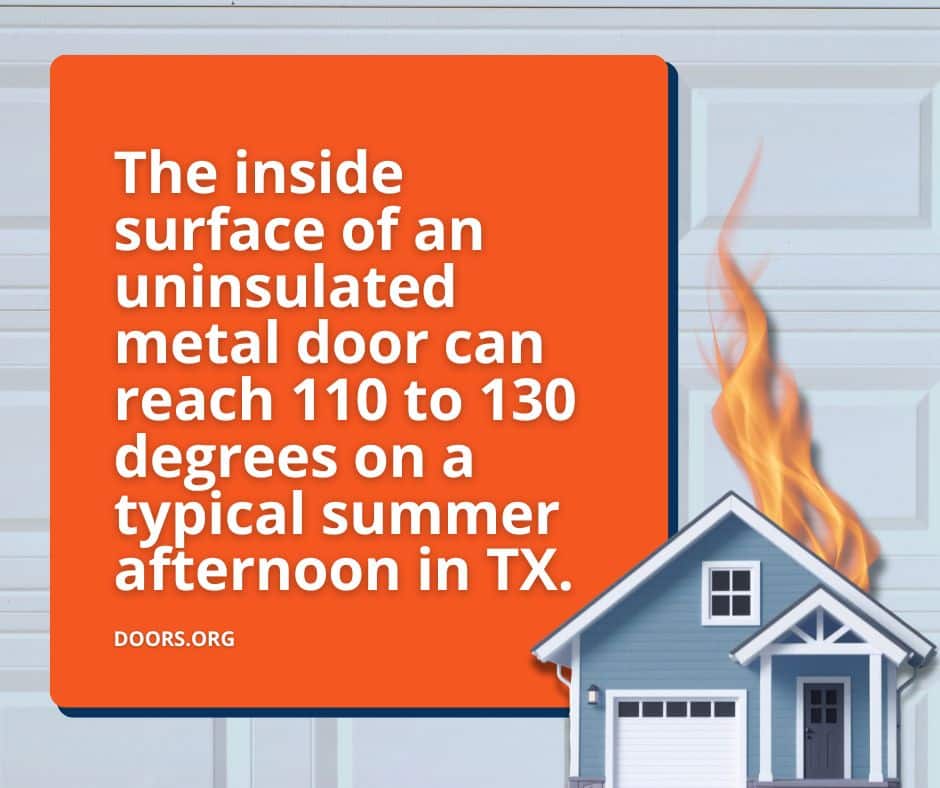
When the sun hits a large metal surface like a garage door, it heats up quickly. In testing by the International Door Association, the inside surface of an uninsulated metal door can reach 110 to 130 degrees on a typical Texas summer afternoon.
That heat does not stay on the surface. It radiates into the garage, raising the temperature of the entire space. Heat also spreads through shared walls, making nearby rooms feel warmer. This is why homes with attached garages often struggle with hot hallways, warm laundry rooms, or upstairs rooms that never seem to cool down.
Garage door insulation slows this heat transfer. It raises the door’s R value, which is the measure of how well a material resists heat flow. A higher R value means the garage stays cooler, and the home does not absorb as much heat from the garage.
Insulation also helps in the winter months. When cold fronts bring temperatures down quickly overnight, insulated doors hold more stable temperatures in the garage. This reduces drafts along the interior garage door and helps protect stored items from sudden temperature drops.
How Insulation Helps With Energy Efficiency
Even though most garages are not climate controlled, the temperature inside the garage affects the home.
The Department of Energy notes that large uninsulated surfaces can significantly increase heat gain. Because the garage door is the largest moving component in the home, insulating it can have a noticeable impact.
Benefits for energy efficiency include:
• Less heat entering the home through shared walls
• Lower cooling load on the HVAC system
• More stable temperatures in nearby rooms
• Reduced heat transfer through the interior garage entry door
If you have a bonus room above the garage, insulation can also help soften the extreme temperatures that the room experiences during Texas summers.
To help visualize the difference insulation makes, here is a simple comparison:
| Garage Door Type | Approx R Value | Typical Garage Temp on 100 Degree Day |
| Uninsulated metal door | R 0 to R 1 | 105 to 115 degrees |
| Reflective foil insulated | R 3 to R 6 | 95 to 105 degrees |
| Polystyrene insulated | R 4 to R 6 | 95 to 105 degrees |
| Polyurethane insulated | R 12 to R 18 | 85 to 95 degrees |
A higher R value equals a lower temperature and less heat flow toward the home.
Insulation Types and Which Work Best in Texas
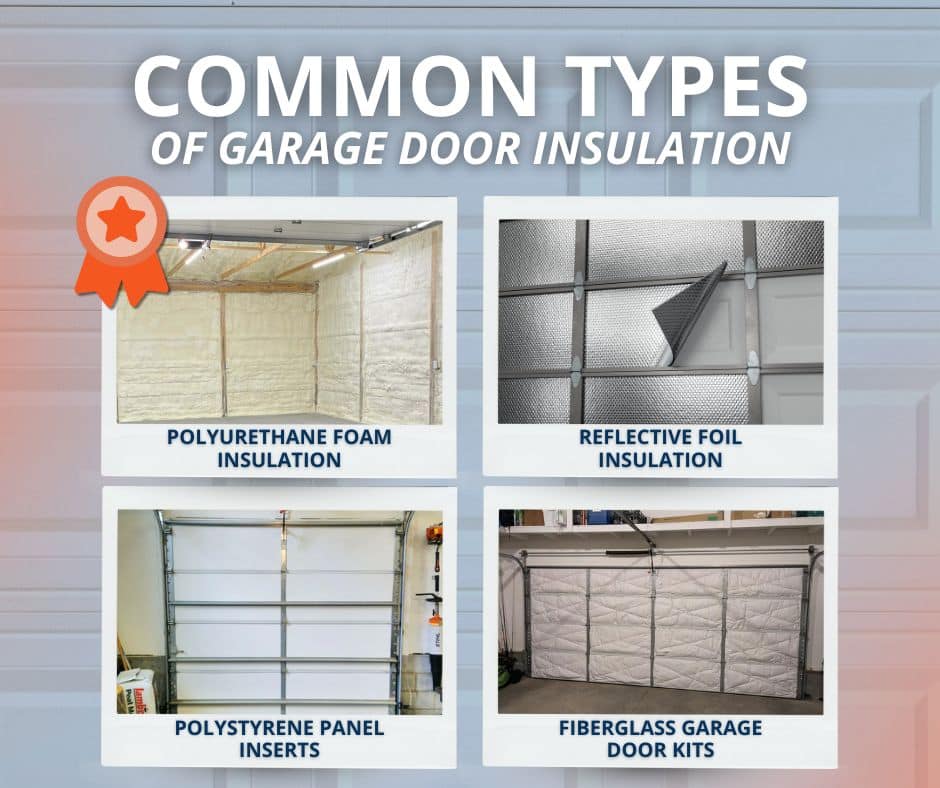
Different insulation materials perform differently in Texas heat. The best choice depends on the age of your door, your budget, and how much temperature reduction you want.
Polyurethane Foam (Best Overall)
Polyurethane is sprayed between layers of metal at the factory, creating a strong, energy-efficient insulated door.
Pros:
• Highest R values on the market
• Great for intense sunlight
• Improves door strength
• Reduces noise
• Long-lasting
Best for homes facing west or south, or homes with rooms above the garage.
Reflective Foil Insulation
Reflective foil products bounce radiant heat away from the door, which helps in areas with strong sun exposure.
Pros:
• Strong radiant heat control
• Lightweight
• Easy to install
Best for older garage doors needing radiant heat reduction.
Polystyrene Panel Inserts
Polystyrene panels fit inside door sections and provide moderate insulation improvement.
Pros:
• Affordable
• Easy to add
• Noticeable improvement
Best for homeowners wanting comfort improvement without replacing the entire door.
Fiberglass Garage Door Kits
Fiberglass is another option but less ideal in humid areas.
Pros:
• Inexpensive
• Decent insulating ability
Cons:
• Can sag
• Not moisture resistant
Best for short-term solutions on older doors.
How Garage Door Insulation Improves Daily Comfort
Many Central Texas homeowners use the garage for much more than parking. It often doubles as a workshop, storage area, exercise space, laundry area, or entry point for the home.
When the garage is extremely hot, all these uses become more difficult.
Insulation helps improve:
• General comfort in the garage
• Temperature stability for stored items
• Car interior temperature
• Comfort when using the garage door entry to the home
• The temperature of rooms next to or above the garage
It also reduces radiant heat from the door itself. With an uninsulated metal door, you can often feel heat radiating several feet into the garage. Insulation slows that heat transfer, making the space feel noticeably cooler.
How It Supports Indoor Conditions
A cooler garage helps the rest of the home feel more comfortable. Heat spreads easily into surrounding areas, especially in older homes where insulation levels were lower.
Homeowners often notice improvements in:
• Laundry rooms connected to the garage
• Hallways next to the garage
• Bedrooms above the garage
• Kitchens with shared walls
• Utility closets near the garage
The EPA notes that reducing heat from uninsulated surfaces lowers indoor energy load and improves HVAC performance. If your air conditioner struggles during the summer, preventing heat from entering the home through the garage can help.
Benefits During Temperature Swings
Texas weather changes fast. A cold front may arrive right after a ninety-degree day. Garage door insulation helps keep the garage from swinging between hot and cold too quickly.
Benefits include:
• Less heat loss on chilly mornings
• Lower risk of condensation collecting on metal tools or stored items
• More stable conditions for paint, chemicals, and belongings
• Better comfort in rooms above the garage during cold spells
Homes with older insulation or large roof exposures above the garage see even more improvement.
Noise, Durability, and Structural Strength
Garage door insulation provides secondary benefits beyond temperature control.
- Noise Reduction: Insulated doors block more outside noise, which helps if your home faces a busy road or if the garage sits near bedrooms.
- Durability: Polyurethane-insulated doors are stronger and more rigid. They flex less in heat and are less prone to dents.
- Longer Lifespan: Insulated doors tend to last longer because they maintain their shape and resist warping better than single-layer metal doors.
Signs Your Garage Would Benefit From Insulation
You might notice:
• The garage is hotter than outside
• The interior garage entry door feels warm
• A room above the garage stays warmer than the rest of the house
• The garage smells humid or musty
• Cars feel extremely hot when parked inside
• The garage door becomes hot to the touch
Homes built before updated Texas energy requirements are most likely to show these signs.
When Garage Door Insulation Is Not Enough
Sometimes insulation improves the garage but does not solve the temperature problem completely. In those cases, another issue is usually contributing to the heat.
Common issues include:
• Gaps between the door and the frame
• Missing or worn weatherstripping
• Heat entering from the attic above the garage
• Thin or missing wall insulation
• Hot air entering through attic access points
• Heat radiating from the roof
• Moisture inside the garage
• Air leaks from the home into the garage
A thermal inspection helps identify the exact source of the problem. Centex uses thermal imaging during inspections to show where heat is entering the garage and where insulation improvements will have the most impact.
Heat Source Identification Table
| Issue | How It Affects Garage Temperature | How to Spot It |
| Air leaks from the home | Hot outdoor air leaks in | Light around the door edges |
| Missing wall insulation | Heat enters shared walls | Warm interior walls |
| Hot attic above garage | Heat radiates downward | Warm garage ceiling |
| Roof heat | High overall garage temp | Hottest in afternoon |
| Hottest in the afternoon | HVAC draws hot air inward | Drafts or warm air movement |
Other Helpful Questions
These questions connect naturally to Centex services and typical inspection findings.
Could missing attic insulation above the garage cause the heat problem?
Yes. Many garages have little or no insulation overhead, which allows heat to move straight into the garage and nearby rooms.
Does garage heat mean my HVAC is working harder?
It can. Heat moves through shared walls and raises the cooling load inside the home.
Can moisture in the garage make temperature issues worse?
Moisture can create a humid, sticky environment. A moisture assessment can help find the source.
When to Call a Professional
Professional help can provide clarity when:
• The garage stays hot even after installing insulation
• Rooms touching the garage feel uncomfortable year-round
• You notice signs of moisture or drafts
• Your HVAC system struggles to keep up
• You want to check insulation levels in the attic or garage walls
• You want a thermal scan to pinpoint heat entry
Centex Inspection Services can evaluate the garage, attic, walls, and door to help you understand what upgrades will make the most difference.
Conclusion
Garage door insulation is one of the simplest ways to reduce heat and improve comfort in Central Texas homes. It helps keep the garage from overheating, reduces strain on the HVAC system, and improves temperature stability in nearby rooms.
If your garage stays hot or you want to be sure there are no underlying issues, schedule a professional inspection to help you understand the full picture.


