
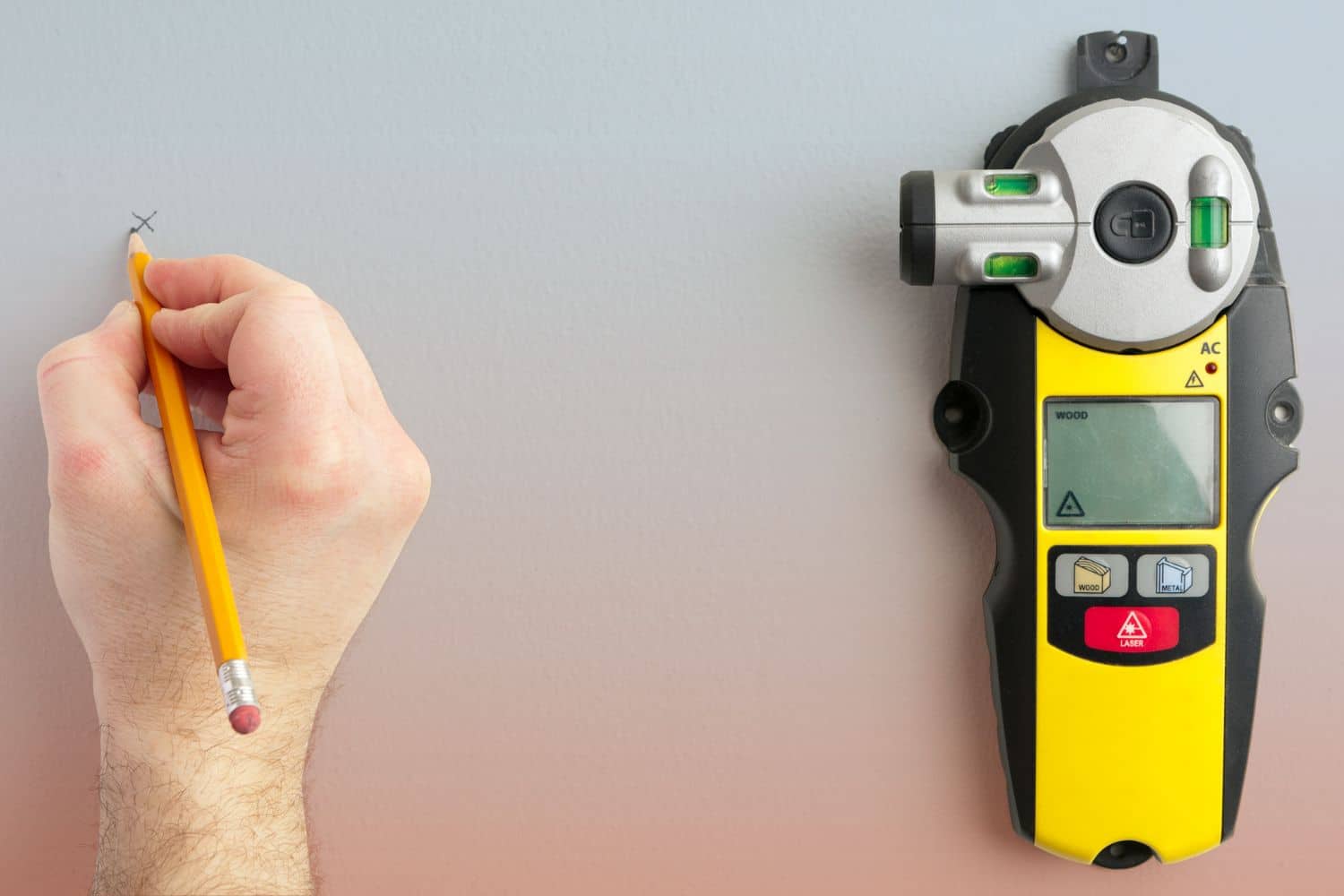
Finding a wall stud usually precedes a relatively simple task. Hanging a television. Installing shelves. Mounting cabinets or storage. What many homeowners do not realize is that improperly attempting to locate a stud is one of the most common ways for wall framing to become damaged.
During inspections across Central Texas, inspectors commonly note wall issues that trace back to improper mounting. Missed studs, repeated drilling, damaged drywall, and compromised wall assemblies show up in homes, rentals, condos, townhomes, and even commercial buildings.
This guide explains how stud wall framing works, why locating studs is not always straightforward, what can go wrong when walls are drilled incorrectly, and how inspectors evaluate stud-related wall issues during inspections.
What a Wall Stud Actually Is
A wall stud is a vertical framing member that forms part of the wall’s structural system. Studs transfer loads from above, help keep walls straight, and provide strength where drywall alone cannot.
In most residential construction, studs are made of wood or metal and are fastened to horizontal plates at the top and bottom of the wall. Together, these components create a rigid framework that resists movement and supports finishes.
From an inspection standpoint, studs matter because they determine where weight can safely be supported. When items are mounted without engaging framing, the wall relies on drywall for strength.
Drywall is not designed to carry a load, and over time, this leads to cracking, sagging, or failure.
Typical Stud Spacing and Why It Varies
Many homeowners are told that studs are always spaced 16 inches apart. While this is common, it is not a rule that applies everywhere.
Stud spacing is often:
- 16 inches on center in standard framing
- 24 inches on center in some newer construction
Spacing can change due to structural design, wall height, and code requirements. Stud placement also shifts around doors, windows, corners, and load-bearing walls.
Inspectors regularly see uneven stud spacing near openings, which explains why stud-finding attempts fail in those areas. Assuming consistent spacing is one of the main reasons fasteners miss framing.
Why Stud Locating Is Harder Than People Expect
Walls are complex assemblies. They are not empty cavities with evenly spaced wood behind them.
Stud placement is influenced by:
- Plumbing routes that need clearance
- Electrical wiring paths
- Mechanical systems
- Fire-blocking requirements
In condos, duplexes, and townhomes, shared walls are often built with layered assemblies that include offset studs or staggered framing. These designs improve fire resistance and sound control, but they make stud location far less predictable.
Inspectors frequently encounter mounting damage in shared walls where homeowners assumed standard stud placement.
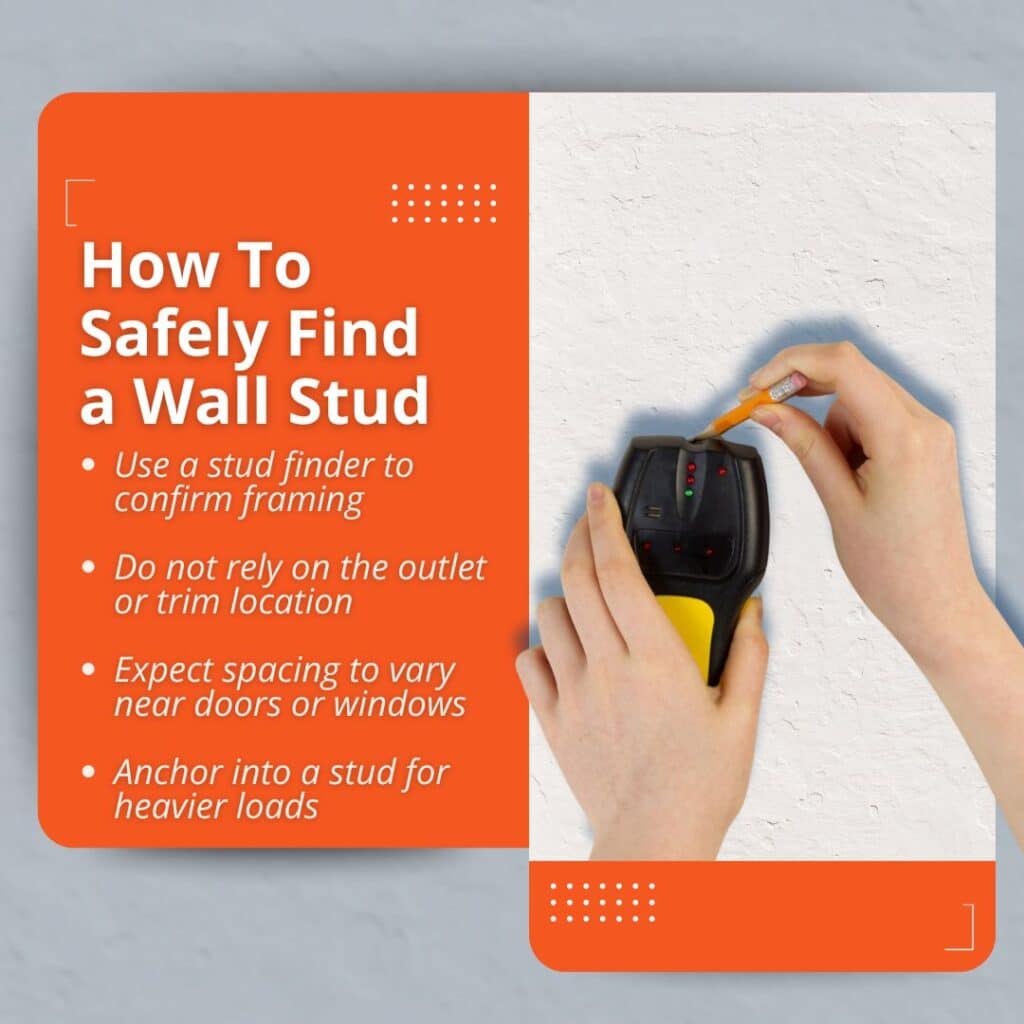
What Lives Inside the Wall Besides Studs
Studs are only one part of what exists inside a wall. Once drywall is installed, multiple systems are hidden from view.
Walls commonly contain:
- Electrical wiring and junction boxes
- Plumbing supply and drain lines
- Gas piping in some buildings
- Fire blocking materials
- Insulation
According to the Consumer Product Safety Commission, accidental damage to hidden wiring and plumbing is one of the most common causes of home project-related hazards.
This damage is often not discovered until leaks, electrical issues, or inspection findings bring it to light. Inspectors routinely document these conditions after the fact.
The Most Common Stud-Related Damage Inspectors Find
Inspectors won’t get to see how someone tried to find a stud. We see the results when something goes wrong. Common findings include:
- Multiple patched holes clustered in one area
- Anchors pulling out under weight
- Cabinets and shelves that separate from the walls
- Cracked drywall radiating from fasteners
- Screws penetrating plumbing or wiring
- Damage to fire-rated walls in attached housing
In rental properties, these problems appear more often due to frequent wall modifications over time. Repeated repairs weaken the wall and make future failures more likely.
How Wall Framing Differs by Property Type in Central Texas
Centex inspects a wide range of property types, and wall construction varies significantly between them.
- Single-family homes: Typically use wood studs with more predictable framing, though spacing still varies near structural elements.
- Condos and townhomes: Often use metal studs and layered wall assemblies designed for fire separation and sound control.
- Duplexes and rentals: May include a mix of framing styles depending on age and renovation history.
These differences matter because drilling or mounting without understanding the wall type can compromise safety features that are not visible once damaged.
Why Missing a Stud Is More Than a Cosmetic Issue
When a fastener misses a stud, drywall carries the load instead. Drywall can hold small items temporarily, but it degrades under repeated stress.
Over time, missed studs can lead to:
- Progressive cracking
- Loosening of mounted items
- Repeated patching in the same location
- Hidden damage behind repaired areas
The Federal Emergency Management Agency (FEMA) has noted that small compromises to building components can increase long-term vulnerability, especially when combined with environmental stresses.
Central Texas expansive soils already place stress on structures. Wall damage adds another layer of strain.
Weight, Load, and Why Anchors Fail Over Time
Many wall anchors are rated under ideal, controlled conditions. In real homes, those conditions rarely exist.
During inspections, wall damage often appears in areas where anchors were technically rated for the item’s weight but were installed into drywall instead of framing.
Over time, repeated stress causes anchors to loosen, pull forward, or fail completely. Several factors reduce anchor performance, including:
- Repeated loading and unloading of mounted items
- Every day vibration from doors, foot traffic, or appliances
- Minor movement in walls from temperature and humidity changes
- Variations in drywall thickness and installation quality
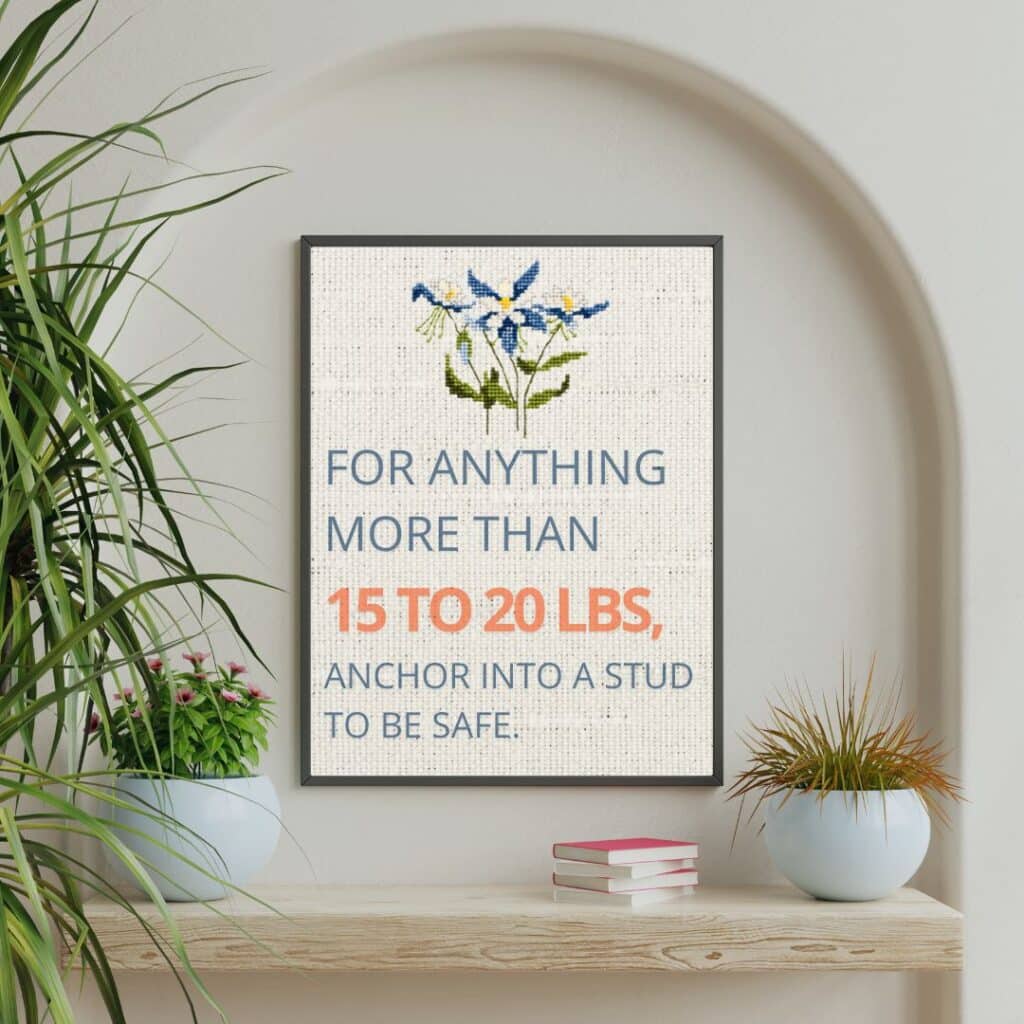
As a general rule, once items exceed 15 to 20 pounds, mounting directly into framing becomes increasingly important to reduce long-term damage and failure risk.
Inspectors frequently document mounting hardware that meets manufacturer ratings on paper but fails because the load was never transferred into a stud or is too much for the wall.
Safer Mounting Considerations to Reduce Risk
There’s no replacement for professional installation. However, understanding basic principles can reduce common problems inspectors see.
Safer concepts include:
- Verifying framing location before drilling
- Avoiding excessive test holes
- Matching fasteners to wall type and load
- Being cautious near kitchens, bathrooms, and shared walls
Heavy items should always be supported by framing or installed using mounting systems rated for the specific wall assembly.
Common Mounting Situations and Inspection Outcomes
| Mounting Situation | What Inspectors Often Note | Why It Matters |
| TV mounts | Anchors in drywall only | Pull-out risk over time |
| Floating shelves | Light anchors used for heavy loads | Gradual wall damage |
| Cabinets | Studs missed during install | Long-term framing stress |
| Rental units | Repeated drilling | Patchwork repairs weaken walls |
Inspectors routinely see the long-term consequences of these choices.
How These Issues Are Documented in Inspection Reports
Inspection reports focus on observable conditions, not assumptions.
Reports may include:
- Photos of wall damage
- Descriptions of improper mounting
- Notes on compromised assemblies
- Recommendations for further evaluation when appropriate
Inspectors explain what is visible and why it matters. They do not speculate about who performed the work or how it should be repaired.
Why Buyers Pay Attention to Stud and Wall Findings
For buyers, wall issues raise important questions. Were modifications done correctly? Is there hidden damage behind repairs? Do problems appear isolated or recurring?
Even when damage looks minor, repeated patterns can influence negotiations or prompt additional evaluation before closing.
Why Owners and Landlords See Repeat Wall Damage
Inspectors frequently document recurring wall damage in rental and multi-unit properties.
Common causes include:
- Frequent tenant modifications
- Inconsistent repair quality
- Improper anchoring methods
Understanding wall construction helps owners reduce repeat repairs and protect the building.
Related Questions
What areas of a home usually show framing issues first?
Walls near doors, windows, and mounted fixtures often show stress earlier.
Do inspectors review wall condition during rental inspections?
Yes. Wall wear, patching, and improper mounting are commonly documented.
Can wall damage suggest larger construction concerns?
Sometimes. Patterns help inspectors assess whether damage may extend beyond the surface.
Are wall construction concerns different in condos and townhomes?
Yes. Shared walls often include fire and sound assemblies.
Conclusion
Finding a wall stud safely is not just about hanging something securely. It is about protecting the framing, avoiding hidden hazards, and preserving the wall.
During inspections, wall conditions often reveal property modifications and maintenance over time. Understanding stud wall framing helps homeowners, buyers, and landlords avoid repeated damage and unexpected repair costs.
Centex Inspection Services provides inspections for homes, condos, duplexes, townhomes, and rental properties across Central Texas, helping you understand visible wall and framing conditions before small issues turn into larger problems.


