
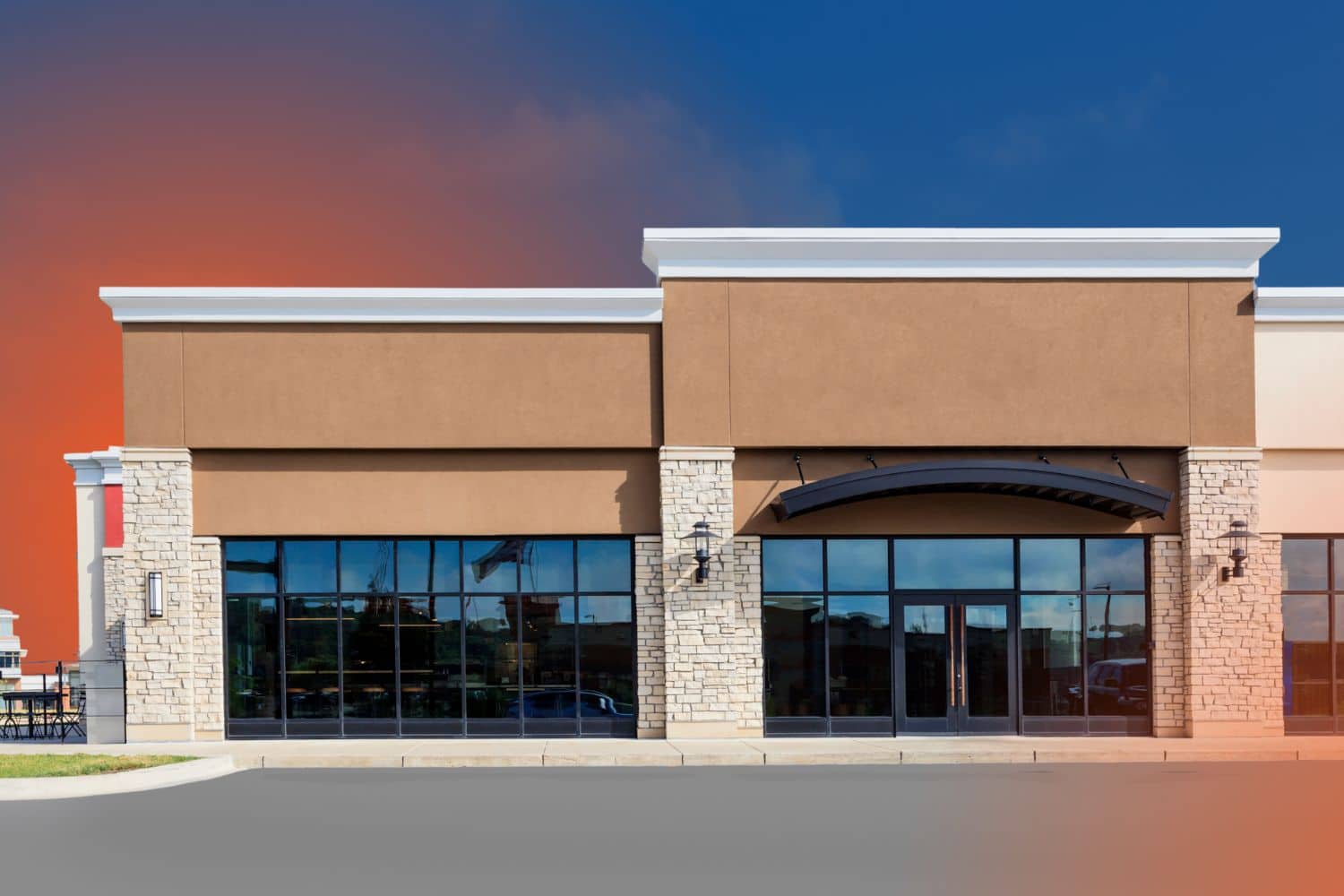
Choosing the right commercial building inspector is a critical step when buying, leasing, or managing property in Central Texas. Commercial buildings are very different from homes.
They have larger systems, heavier daily use, and safety requirements that affect how your business functions each day. A quality inspection helps you understand the building’s true condition so you can plan repairs, protect your investment, and avoid unexpected downtime once your business moves in.
This guide explains what to look for in a commercial building inspector, the systems they evaluate, and how their findings support business owners, property managers, and investors.
Why the Right Commercial Inspector Matters
Commercial buildings carry more responsibility than residential properties because they must support customers, employees, and daily operations.
The right inspector helps you avoid issues that could lead to business interruptions, unexpected repair costs, and safety risks.
A qualified commercial inspector helps you:
- Understand current building conditions
- Identify issues that affect safety and performance
- Estimate future maintenance and budgeting needs
- Plan for HVAC load, electrical use, and structural stability
- Reduce risk when purchasing or signing a long-term lease
In Central Texas, where buildings face high heat, long cooling seasons, and sudden storms, the condition of the roof, HVAC system, and drainage can heavily affect operating costs.
A strong inspection helps you make clear decisions about whether a building is the right fit for your business.
What to Look For in a Commercial Building Inspector
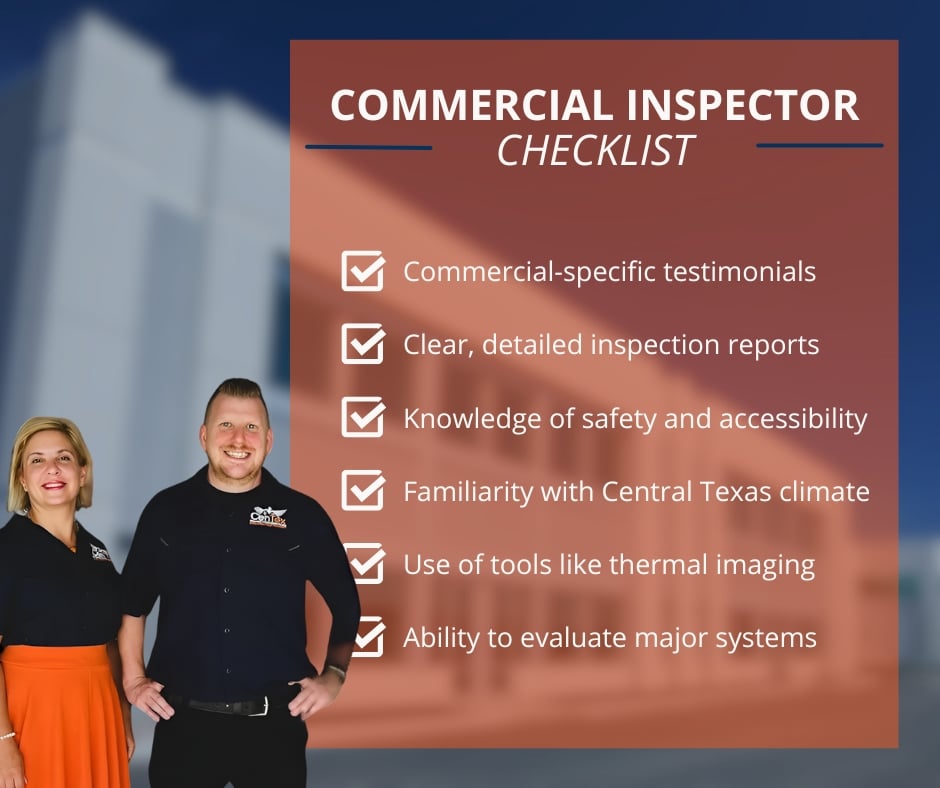
Not all inspections offer the same value. The right inspector gives you reliable information you can use during negotiations, budgeting, or long-term planning.
Before you select a company, make sure they offer the knowledge and reporting style your business needs.
Experience With Commercial Property Types
Choose an inspector who understands the needs of:
- Retail stores
- Office buildings
- Restaurants or food service areas
- Warehouses and flex spaces
- Medical or dental suites
- Mixed-use buildings
- Small commercial plazas
Each property type has different demands and safety considerations. A qualified inspector should be comfortable navigating every space, from mechanical rooms to service corridors.
Clear and Detailed Reporting
A strong commercial inspection report should be written for decision-making and long-term planning. It should include:
- Photos of each concern
- System-by-system findings
- Safety notes
- Recommendations for further evaluation
- Expected lifespan for major systems when possible
- Moisture readings and thermal imagery, if needed
This level of reporting helps business owners and property managers budget, plan upgrades, and negotiate lease or purchase terms.
Strong Understanding of Safety and Accessibility
Commercial spaces must support safe and accessible use for all occupants. Inspectors review visible conditions related to:
- ADA access
- Ramps and handrails
- Accessible bathrooms
- Emergency exits
- Fire extinguishers and alarms
- Emergency lighting
- Trip hazards
- Door hardware
These findings help prevent safety issues and future disruptions.
Knowledge of Local Climate and Wear Patterns
Central Texas buildings face:
- Intense sun exposure
- Very high cooling demands
- Periods of heavy rainfall
- Soil movement
- High humidity swings
A qualified inspector understands how these conditions affect roofs, HVAC systems, building exteriors, and foundations.
What a Commercial Inspector Evaluates
Commercial buildings depend on many large, interconnected systems.
When inspectors examine each one, it gives property owners and managers a clear picture of the building’s condition and helps guide smart planning, repairs, and budgeting.
Structural Components
Inspectors look at:
- Visible framing
- Foundation movement
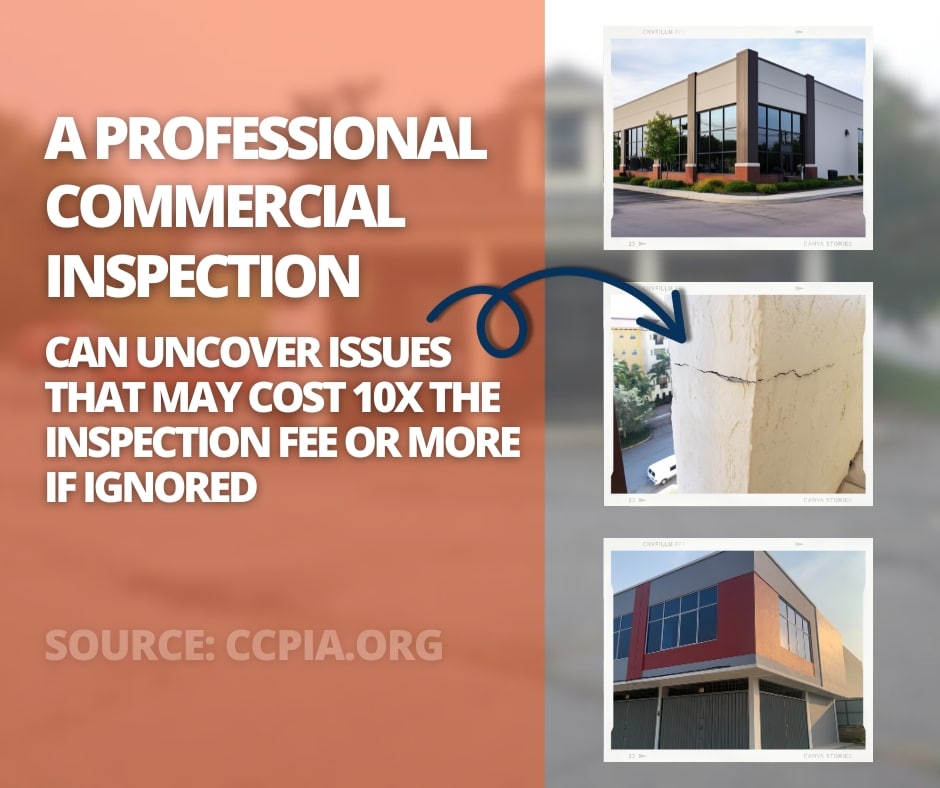
- Cracks in masonry or concrete
- Settlement concerns
- Load-bearing areas
Roofing System
Inspectors check:
- Membrane wear
- Ponding water
- Flashing condition
- Hail impacts
- Drainage
- Previous patchwork
Electrical System
They evaluate:
- Main panels
- Breakers
- Outlet safety
- Visible wiring
- Signs of overheating
- Emergency lighting
HVAC Systems
According to the U.S. Energy Information Administration, cooling is the largest energy use in southern commercial buildings.
Inspectors check:
- System age and capacity
- Airflow
- Duct condition
- Thermostat function
- Condensate drainage
Plumbing
They review:
- Visible piping
- Restroom fixtures
- Water heating equipment
- Drainage performance
- Signs of staining or leaks
Fire and Safety Systems
Inspectors look at:
- Fire extinguishers
- Emergency lighting
- Exit signs
- Clear exit paths
Accessibility Features
They evaluate:
- Parking
- Entrances
- Ramps
- Bathroom layouts
- Door widths
Site and Exterior Areas
They assess:
- Parking lots
- Walkways
- Drainage
- Exterior lighting
- Retaining walls
- Fencing
At a Glance: Commercial Systems and Spaces an Inspector Evaluates
| System | Why It Matters | What Inspectors Note |
| Roof | High repair cost | Wear, ponding, flashing |
| HVAC | Energy cost and comfort | Airflow, age, function |
| Electrical | Safety and reliability | Breakers, overload signs |
| Plumbing | Customer use | Leaks, drainage, staining |
| Structure | Building stability | Movement, cracks |
| Site Drainage | Moisture control | Pooling, slope issues |
| Accessibility | Customer reach | Entrances, bathrooms |
How Inspection Findings Support Businesses
A commercial inspection provides clarity for:
- Budgeting
- Planning long-term maintenance
- Preventing system failures
- Understanding the roof or HVAC lifespan
- Negotiating lease terms
- Preparing for tenant occupancy
- Evaluating whether a space fits your operations
It is one of the most reliable tools for protecting your business from costly surprises.
How to Prepare Before a Commercial Inspection
To help the inspection go smoothly:
- Ensure utilities are on
- Unlock all mechanical rooms
- Provide roof access when possible
- Move items away from electrical panels
- Clear blocked equipment rooms
- Share any maintenance records you have
This helps the inspector complete a full and accurate review.
Other Related Questions Business Owners Ask
How often should commercial buildings be inspected?
Many owners schedule inspections every few years to track roof wear, HVAC performance, drainage concerns, and general aging.
Can an inspection help when planning renovations or expansions?
Yes. Understanding the condition of electrical, plumbing, and structural systems helps guide safe and cost-effective upgrades.
Does a commercial inspection include the roof and HVAC units?
Yes. Roofs and HVAC systems are two of the most important systems in a commercial space and are fully reviewed.
Can an inspection identify drainage or grading issues?
Inspectors document pooling water, slope problems, clogged drains, and areas where stormwater may affect the building.
When to Call a Professional
Call a commercial building inspector when you want a full, unbiased review of the property before making financial or operational decisions. Inspections are helpful when:
- Buying or selling a commercial property
- Signing or renewing a long-term lease
- Taking over a space with an unknown maintenance history
- Noticing roof leaks, drainage issues, or HVAC concerns
- Evaluating electrical capacity for equipment
- Planning a build-out or renovation
- Preparing a property for tenant occupancy
A professional inspection helps you understand the building’s true condition so you can choose a safe, reliable, and efficient space for your business.
Conclusion
Choosing the right commercial building inspector helps protect your investment and provides the clarity you need before making a major business decision. A thorough inspection highlights the condition of major systems, identifies safety concerns, and explains what maintenance may be needed to keep your operations running smoothly.
If you are preparing to buy, lease, or manage commercial property in Central Texas, Centex Inspection Services can help.


